
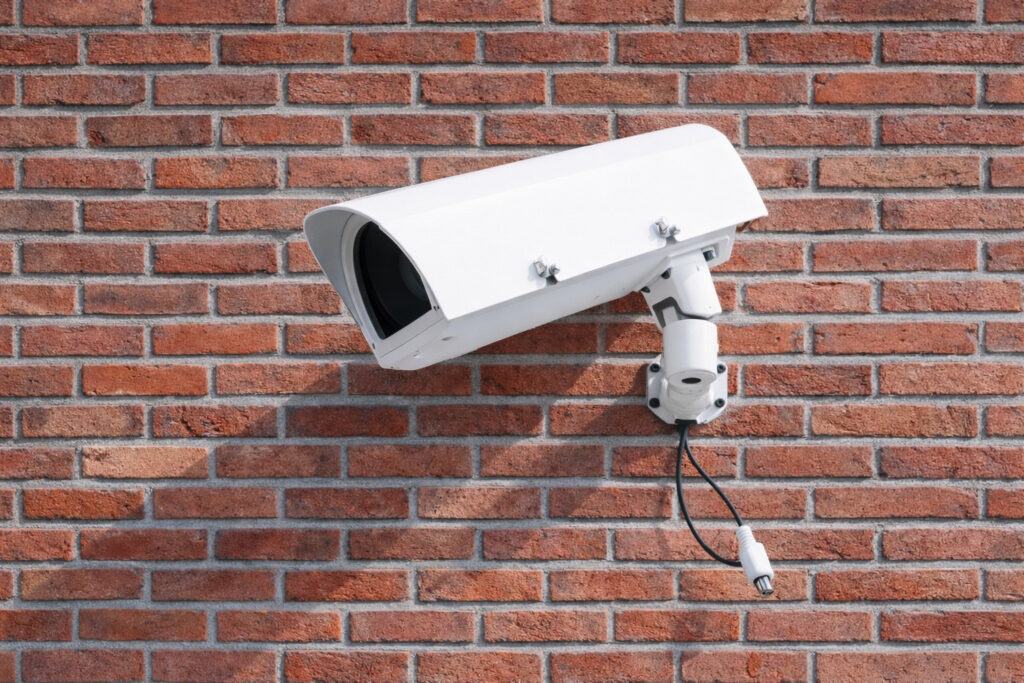
In October 2025, thieves pulled off an €88 million heist at the Louvre Museum. They didn’t use high-tech gadgets or Mission Impossible stunts. They simply parked a lift truck beneath a balcony and climbed up while wearing construction vests. Security guards never saw them coming. Why? The only surveillance camera covering that side of the museum was pointed in the wrong direction.
It’s a vivid reminder for leaders as well. In the rush of business, you may think you’ll receive the feedback you need. But too often, your “coachable camera” may be pointing the wrong way, risking blind spots on things you’ll miss that matter most. And in leadership, what you don’t see can derail your career faster than a truckload of crown jewels disappearing into the Paris morning.
The Camera Metaphor: A Leader’s Blind Spot
Like the outdated Louvre camera, many leaders operate with a well-intended but incomplete system of personal development. They rely on annual reviews, filtered feedback, and indirect signals. But the lens may not fully capture how you are impacting others or how you are falling short of desired results. Consequently, subtle but crucial areas where improvement is most needed are missed.
Coachability, as I describe in Coachability: The Leadership Superpower, is a leader’s capacity to seek, respond to, reflect on, and act on feedback. It’s about where you point your curiosity and who you trust to help you see clearly.
Coachability Depends on Where You Look
Too many leaders assume that formal feedback channels (performance reviews, surveys, or the occasional 360) are sufficient. They’re not. If those are your only “cameras,” you’re missing the view from critical angles.
I’ve recently worked with a group of midlevel leaders at a large global enterprise as part of an ongoing series of training events. The focus was on their coachability beliefs and practices as part of the company’s leadership training. These leaders scored impressively high in openness to self-improvement and feedback. Moreover, their receptivity to feedback and willingness to change were impressive. Surprisingly, they scored low on their proactive efforts to seek coaching. In other words, they fell short in intentionally aiming their “feedback cameras” where it mattered. I suggested that without proactively seeking feedback, all the other impressive practices would falter over time.
I’ve found that highly coachable leaders excel at intentional camera management by identifying when input from others would be critical to achieving performance goals or personal improvement. For example, taking on a challenging cross-functional project might require building strong relationships outside of your normal circle of influence. The coachable strategy could be to identify and check in regularly with cross-functional peers on what you are doing well, how you are leading the project, and where there might be blind spots to uncover, to keep relationships positive and the project on track.
Highly coachable leaders also identify where feedback from others will help guide their ongoing personal growth. For example, being able to present well in front of a senior leadership meeting when you are nervous as heck and unsure what they expect. A coachable strategy might be to seek advice from someone in the room ahead of time for “dos and don’ts” as well as check back after your presentation to learn what went well and tips to address for next time.
I’ve been in both situations and have had to intentionally think more about where to learn to improve, rather than shutting off my feedback camera and driving blind. In both cases, having a trusted advisor and truth-teller pulled me into my learning zone.
Truth-Tellers: Your Most Valuable Feedback Asset
If you want honest feedback, you need people who will give it to you. I call them T2s: truth-tellers.
Your T2 might be:
- A trusted direct report who sees how your actions affect the team
- A peer who notices your patterns under stress
- A mentor or coach who isn’t afraid to challenge your assumptions
Early in my career, a seasoned employee named Jim became my first truth-teller. I thought I was charming while handing out paychecks with jokes. Jim pulled me aside and said, “When you pass out paychecks, shut up.” It stung, but he was right. I was missing how I came across. That feedback helped me grow as a leader.
Later, I made it a habit to find a T2 in every role. If I didn’t regularly ask for their perspective, they’d see me anyway. That’s a gift. And every leader needs a few people like Jim.
Seven Places to Look
Want to point your leadership camera in the right direction? After considering where increased coaching and advice would aid in achieving your performance challenges or personal improvement aspirations, consider where to look to recruit your truth-teller. Here are seven views to consider:
- Look Down: Ask a trusted member of your team how you’re showing up. Create a safe space to share observations.
- Look Across: Ask peers who’ve seen you in the trenches. Their perspective is often unfiltered
- Look Up: Request input from your boss or senior mentors on specific areas. Ask: What’s something you should be doing more or less of?
- Look Around Corners: Ask partners, customers, or cross-functional allies about your impact.
- Look Inside: Reflect with questions like, “What feedback have I dismissed that might hold some truth? Or “What patterns might I have been ignoring that might provide a growth signal?”
- Look Different: Oftentimes, we narrow our sources of feedback to people like us and comfortable relationships. Expand your advisory pool by seeking diversity.
- Look Again: Don’t rely on one source. Patterns across multiple views often reveal a more profound truth.
Why We Miss the Feedback We Need
Seeking input isn’t natural for most leaders. Research shows that as we climb the career ladder, coachability often declines. We become more confident (or comfortable), and people become more cautious around us. The “boss booster bubble” kicks in as people only tell you the good stuff. Left unchecked, that bubble becomes a liability: a camera only pointing into a confirming space, not a learning one.
There’s also the vulnerability factor. Asking for input can feel like exposing weakness, especially in rooms where you’re expected to have the answers. But not asking is far riskier. Ignorance may feel like strength in the short term, but blind spots eventually cost you credibility and impact. Leaders don’t lose authority by inviting perspective; they lose it by being surprised by feedback they could have surfaced earlier. Over time, people trust leaders who are curious and self-aware more than those who pretend they already know.
Two Actions to Point the Camera Better
- Find Your Next Truth-Teller
Reach out to someone this week who might be willing to give you honest input. Ask something simple: “What’s one thing I should do more of as a leader?” - Widen Your Feedback Lens
Don’t rely on just your boss or HR survey. Get feedback from across, down, and outside your usual circles. Schedule time to ask, “What am I missing?”
Three Reflection Questions
- Where am I currently not looking for feedback that I should be?
- What truth-teller have I drifted away from that I should reconnect with?
- What’s one piece of feedback I’ve resisted that deserves a second look?
Your leadership legacy won’t be shaped solely by your strategy, intellect, or accomplishments. It will be shaped by how open you are to seeing yourself clearly and how much you act on what you see.
So, check your leadership camera. Is it pointed in the right direction?